


You don’t need a two-day offsite to get your leaders aligned on AI. Sixty minutes is enough.
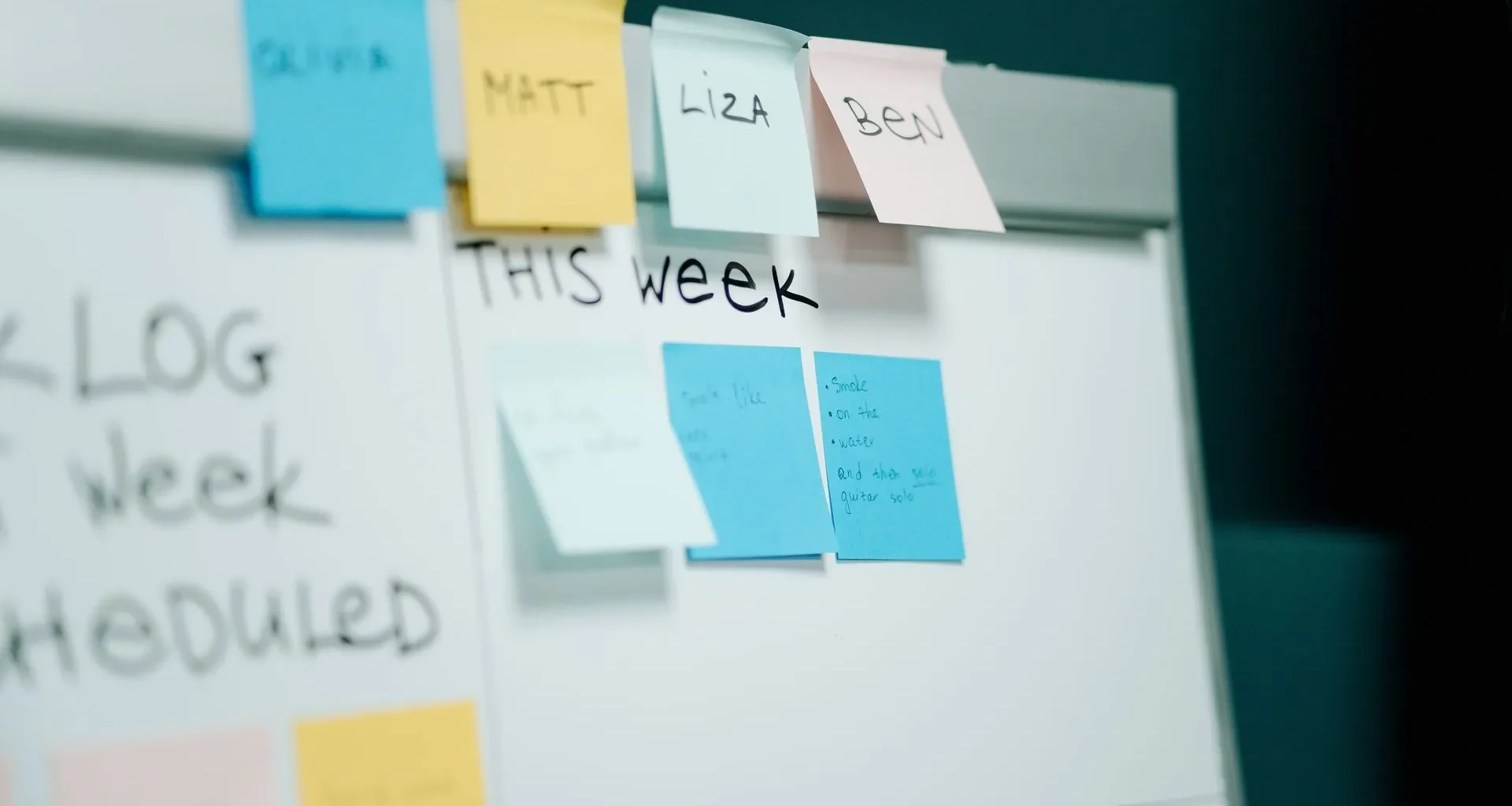
An AI workshop for leadership teams works best when it is short, honest and ends with one owner and one date. My sixty-minute FLIP session does exactly that with a whiteboard, a printed scorecard per person and a timer. No vendors. No slides full of buzzwords.
Key points
I’m ZAK, founder of ORKA AI in Calgary. Over the past year this series walked through the FLIP AI readiness framework and each pillar: Fluency, Literacy, Impact and Preparedness. This final piece is the practical one: how to run it yourself.
What is a sixty-minute AI workshop for leadership teams?
It is a structured hour where your leaders score the business on FLIP, compare scores on a whiteboard, test each score against evidence and agree on one action. The goal is to replace vague AI enthusiasm with a shared, honest picture and a single next step with a named owner.
Most teams agree AI matters. Far fewer agree on what to do Monday. This hour closes that gap.
How is the 60 minutes structured?
Six blocks. Five minutes to open, ten for silent scoring, fifteen to reveal scores on the board, fifteen to test the evidence, ten to find the pattern, and five to pick one next step. Keep the timer visible and move on when time is up.
How do you run the reveal and evidence blocks?
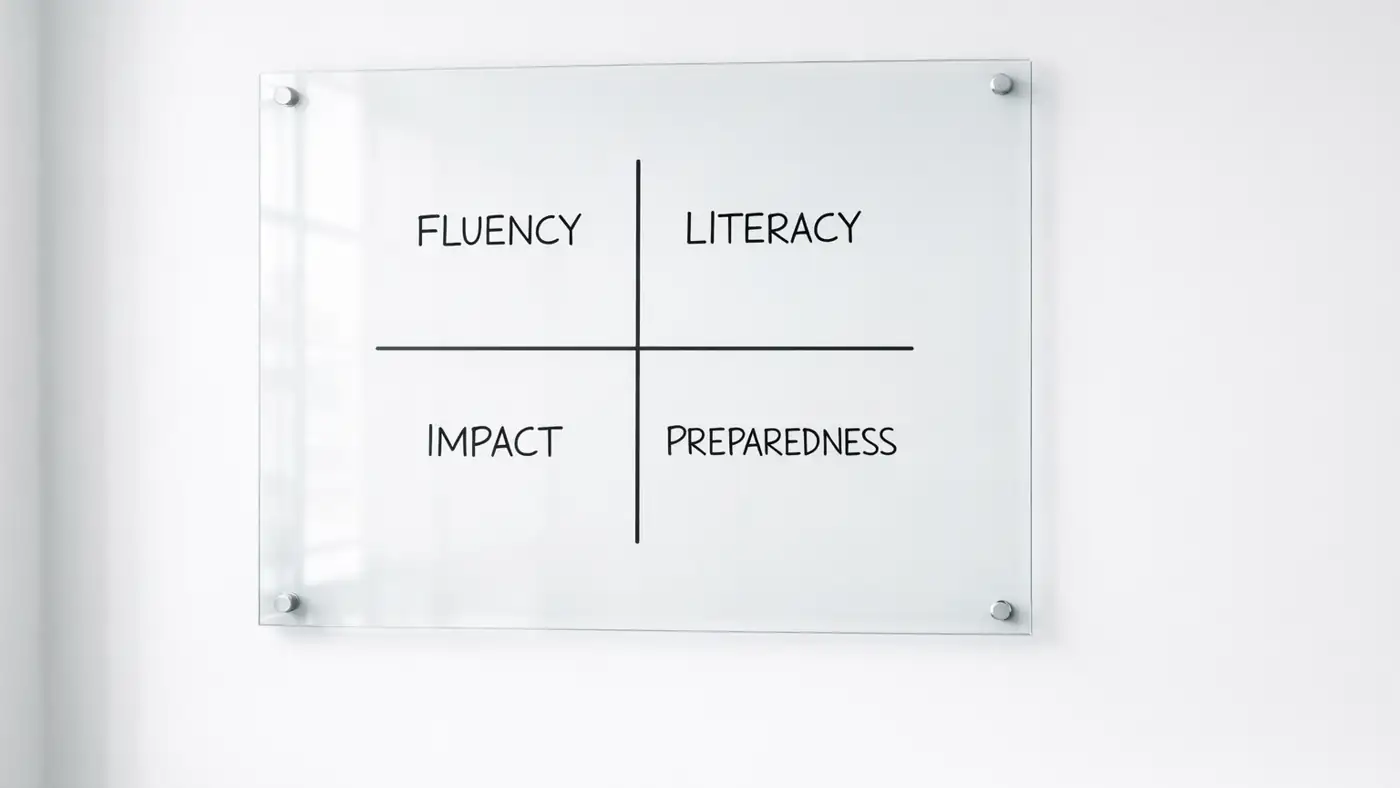
Draw a two by two grid labelled F, L, I and P. Write every leader’s four scores in the boxes, then the average and range. Circle the lowest average and star the widest range. Next, ask the top scorer in each pillar for proof. No proof, the score drops.
My evidence prompts, about three minutes each:
- Fluency: show me a workflow someone ran with AI this week.
- Literacy: what data would you never put into an AI tool, and does everyone agree?
- Impact: name one number that moved because of AI.
- Preparedness: if an AI tool made a costly mistake tomorrow, who owns it?
A wide range matters as much as a low score. It means your leaders see the business differently, a gap we explored in the AI adoption gap between your desk and your company.
Why should leaders run an AI workshop before buying training?
Because generic training aims at the average gap, and your gap is specific. The workshop tells you which pillar to invest in. If Literacy is lowest, training on prompts misses. If Impact is lowest, you need measurement first. Another course can wait. Diagnose first, then spend.
Training gaps are real in Canada; we covered that in Canada ranking 44th of 47 on AI training. Results are the other gap, as the 2% ROI story showed. A one-hour diagnosis helps you spend on the right one.
And keep the privacy lens in the room. The federal and provincial privacy principles for generative AI keep accountability with the organization, which makes the Preparedness question in this hour a real one. For context on adoption, Statistics Canada’s 2025 analysis is a useful slide for the opening five minutes.
What do you leave the AI workshop with?
Four things: shared language for every AI conversation, a visible gap nobody can ignore, one owned action with a date, and a baseline to rescore in 30 days. Pick one pillar only. Write the owner and done-by date on the board before anyone leaves the room.
Example actions: a two-week practice sprint for Fluency, a one-hour briefing and never-paste list for Literacy, one measured workflow for Impact, or a one-page policy with a named owner for Preparedness.
Get the free scorecard and facilitator guide on the FLIP framework page. Book the hour this month. One whiteboard can settle more than a month of AI emails.
How do you facilitate an AI workshop for leadership teams virtually?
Use a shared form or have everyone type their four pillar scores into the chat at the same moment. Share one screen with the two by two grid and fill it in live. Keep cameras on during the evidence block, where the honest conversation happens.
The rules don’t change online. Score alone first. No evidence, no score above 2. Lower a score without arguing and move on. If you’re the owner, speak last in every round, or the room will follow your numbers instead of their own.
Running an AI workshop for leadership teams once is good. Running it every quarter is better. The second session is faster, the evidence is sharper, and you can see which pillar actually moved since last time.
That is the real payoff of an AI workshop for leadership teams: a shared scorecard you can hold each other to, quarter after quarter.
One honest limit: an hour gives you a diagnosis. The plan for the year comes later. The real work happens in the 30 days after, and only if the owner has time set aside to do it.
Frequently asked questions
How long is the FLIP leadership workshop?
Sixty minutes, in six blocks: open, silent scoring, reveal, evidence, find the gap and one next step.
Who should attend an AI workshop for leadership teams?
Five to twelve leaders works best: the owner, finance, operations and department heads. It runs in a room or virtually.
What do you need to run the FLIP workshop?
A whiteboard or shared screen, markers, a timer, sticky notes and a printed FLIP scorecard for each person.
Where can I get the FLIP facilitator guide?
The free scorecard and workshop guide are on the FLIP framework page at aiwithzak.com.
Disclosure: ZAK is the founder of ORKA AI; aiwithzak.com is his website. This column describes his own framework. It is analysis and opinion.