
- The payroll behind the pipeline
- One week, 341 pages, 89 constructs
- What the mouse result proves, and what it does not
- The Canadian read on a one-person pipeline
- The questions your next vendor review needs
What is a drug pipeline worth when the payroll holds exactly one name? Anthropic paid an undisclosed sum for Mithril Medicine in July 2026. The purchase bought two rare-disease programs and one unusual operating model. A single employee directed the science across eleven outside laboratories. Claude carried the contracts, the logistics, and much of the paperwork. The detail that should slow every reader down sits inside the error log.
The short answer: Anthropic acquired Mithril Medicine, a one-person company developing treatments for two rare forms of muscular dystrophy, and disclosed the deal on October 27, 2026. Founder Cody Tranbarger used Claude to organize contracts, logistics, and experiments with 11 external labs. One treatment went from an idea to promising results in mice in under 18 months.
The payroll behind the pipeline
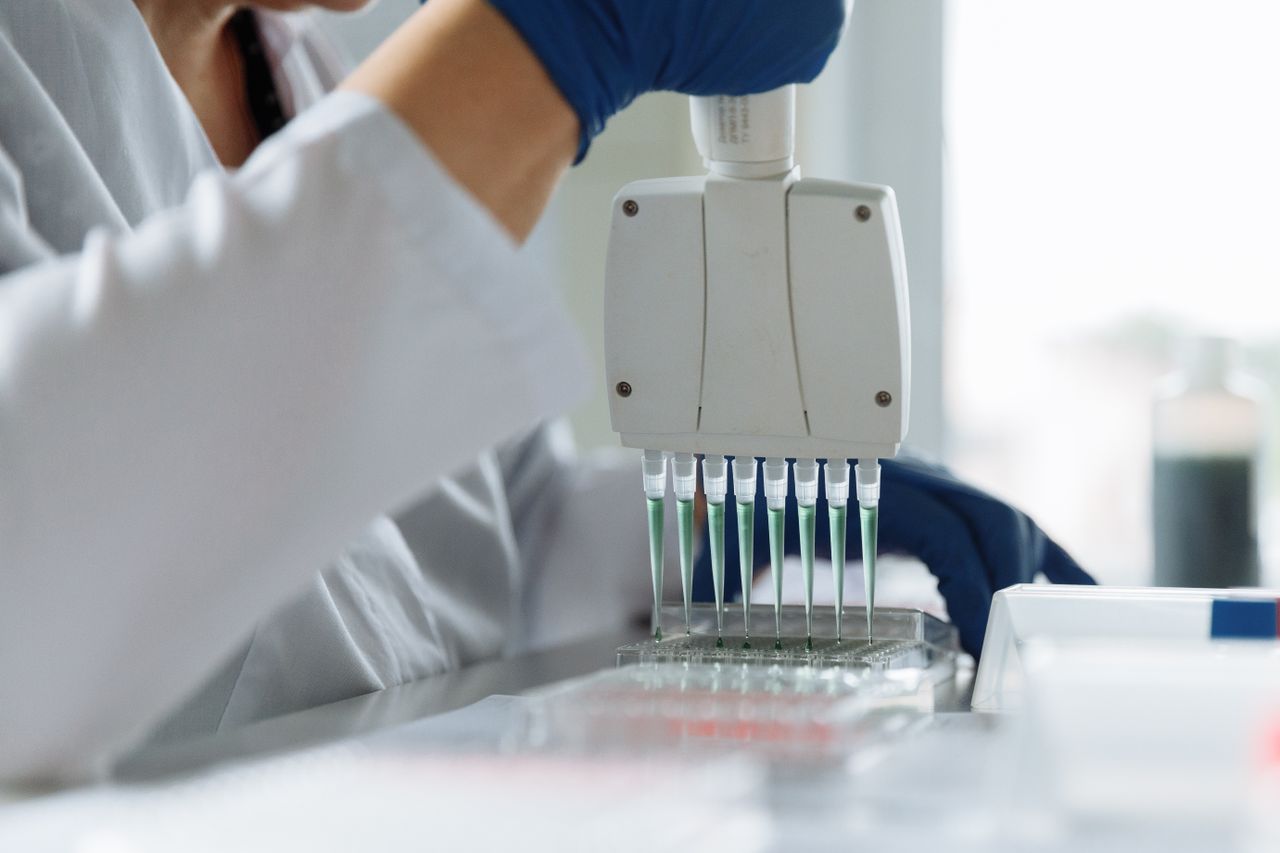
Mithril had one full-time employee, and that employee was its founder. Around him sat eight named consultants and advisers, each paid for their work. The experiments themselves ran inside 11 external labs on contract. That cost base is fees and purchase orders, not salaries and benches. A normal biotech burns cash on headcount long before it burns cash on data. Mithril rented the benches and kept the judgment in one person’s head. Anthropic never disclosed the price it paid for that arrangement. So the checkable numbers in this story are operational, not financial.
One week, 341 pages, 89 constructs
The company’s own technical report walks through one week in unusual detail. A contract lab delivered a production package running to 341 pages. The package covered 113 antibody constructs awaiting a next step. Claude returned a full synthesis of all 113 in under eight minutes. Its median first answer that week landed in 96 seconds. The labs it coordinated answered in a median of 8.5 hours. Then a human overruled the plan and set three molecule families aside. That single ruling removed 24 constructs from the screening plan. Claude rebuilt the plan, the run order, and the drafts in four minutes. All 89 remaining constructs shipped for testing within that same week.
The model also drafted 17 emails to the labs that week. A person edited and sent 12 of them, and Claude sent none itself. The report then does something vendor case studies almost never do. It lists six errors the model made during that single week. Claude caught five of them on its own, which sounds reassuring. At least three flawed statements still reached the laboratories anyway. Two of those errors sat unnoticed for more than four days. The speed is real, and so is the checking bill that follows it.
What the mouse result proves, and what it does not
The science targets a missing protein that anchors muscle fibres in place. Mithril built antibodies designed to rebuild that anchor by another route. In a pilot study, seven treated mice developed about twice the grip strength. The comparison group held only four mice given a control solution. The groups were enrolled in sequence rather than randomized by lot. The report carries no peer review, and Anthropic labels it clearly. The company itself calls this work early stage and mostly preclinical. Human trials could start in late 2028 at the earliest. That date holds only if the candidates keep performing in animals. Most candidates that shine in mice never reach a human arm.
The Canadian read on a one-person pipeline
Canadian biotech already rents much of its science from contract labs. Founders in Toronto, Montreal, and Vancouver run lean teams by necessity. Capital here rewards caution, and small teams cannot carry idle benches. The Mithril week reads like an operations manual for those founders. The model did the reading, the drafting, and the chasing across labs. The human kept the rulings, the edits, and the final send button. That split matters more than the headline about one employee. It also raises the data question every renter of capacity must answer. Three Calgary AI startups store data in Canada. Their AI features can still send it abroad, and a rented pipeline moves data the same way. Public money is starting to shape which tools Canadian firms can rent. BDC Mission AI will vet Canadian AI tools while BDC backs 300 AI firms, which puts a Canadian gate beside the American model.
The questions your next vendor review needs
Anthropic now owns drug programs while it sells Claude to drugmakers. Your vendor may also be your competitor, and the contract should say so. Ask which of your workflows the model runs end to end. Ask who checks the output, and price that checking time honestly. Beacon’s 9.6 AI hours only count after you subtract review time, and Mithril’s error log makes the same point. Ask where the working data sits while the model reads it. An on-premises AI assistant keeps drawings in the building. Who reads the answer is still your problem, and a rented pipeline deserves the same question.
Here is the figure worth keeping from the whole acquisition. One ruling moved a screening plan from 113 constructs to 89. The rebuild took four minutes, and every construct shipped that week. Before your next renewal, run that count on your own operation. Count the files one ruling would move inside your firm. Then name the person who signs the ruling, in writing.