




A small Canadian business can now put $5,000 toward a $10,000 AI placement and have Ottawa, through Mitacs, cover the other half. Mitacs AI Advantage was announced on September 25 with up to $162 million over five years for 10,000 co-funded work placements, and its ADOPT stream is aimed squarely at firms moving from AI talk to AI use.
The money is the easy part. The part that decides whether a placement pays off is the four to six months of supervision the business has to give it.
What is Mitacs AI Advantage?
It is a federally funded Mitacs program that places post-secondary students, recent graduates and postdoctoral fellows with Canadian organizations on AI projects. Ottawa’s September 25 release commits up to $162 million over five years, starting in 2026 to 2027, for 10,000 co-funded placements across two streams.
ADOPT covers AI adoption: readiness assessments, roadmaps, implementation and deployment. AI+X covers applied research where AI meets a sector problem. Mitacs’s program page says ADOPT is meant for small and medium-sized enterprises in particular, and that neither stream is competitive. Both stay open for up to five years.
What does a placement cost a small business?
The smallest tier is a $10,000 award with a $5,000 partner contribution and a $10,000 minimum stipend to the intern. Larger tiers run to $15,000, $20,000 and $25,000, the last for postdoctoral fellows only, and the partner pays half each time. For-profit partners must pay their share from private funds, and the invoice is refundable if the project is not approved.
Placements usually last four or six months. Peer review takes about six to eight weeks, and no work can start until Mitacs issues an award letter and the funds reach the intern’s institution. Six to eight weeks from early October puts the earliest start in mid to late November.
Where could a placement go wrong?
Inside the host business. The risk we see is an intern who arrives to find nobody owns the project, and a firm that ends four months with a slide deck and no change to how work gets done. The subsidy covers the stipend. It does not cover the owner’s or supervisor’s hours, which are the scarce input in a 20-person firm.
That matters because the firms ADOPT targets are often the ones with the least spare time to supervise, the same firms we wrote about in our piece on businesses with no AI plans. A subsidized intern does not change that on its own. A named owner and one chosen process can.
How should a business prepare before applying?
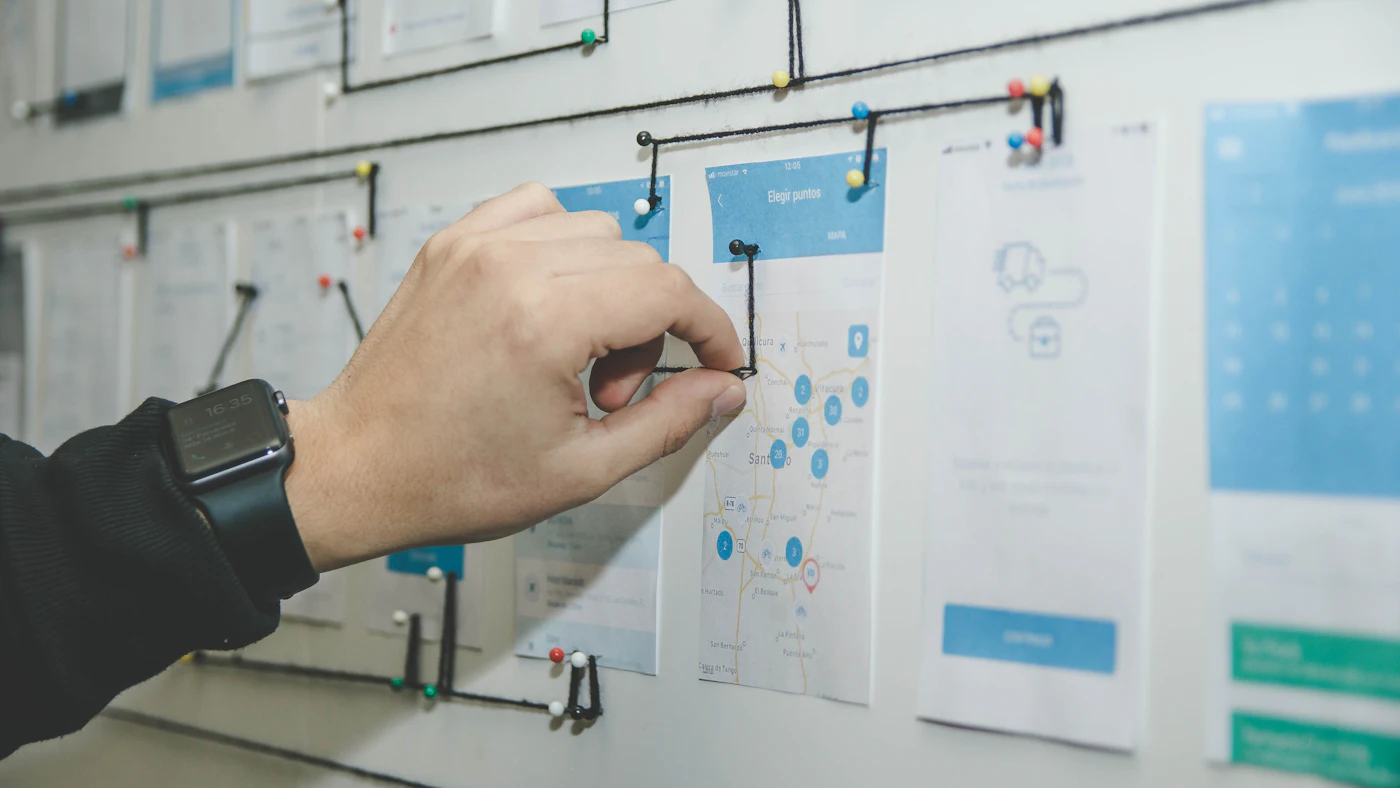
Pick one process, name one person who will own it, and measure it before the intern arrives. A one-page brief with the process, its current time or error rate and the target turns a placement into a test. Without that baseline, nobody can say at the end whether the four months worked.
- Choose one process that eats time every week, such as quoting, invoice matching or scheduling.
- Time it for two weeks now. Write down the hours and the error count.
- Name the staff member who will meet the intern weekly, and block two hours a week in that person’s calendar.
- Talk to a Mitacs advisor about ADOPT. Projects can be submitted before an intern is named.
- Agree on what stays behind when the placement ends: a written procedure, a configured tool and a person trained to run it.

Frequently asked questions
Who can host a Mitacs AI Advantage intern?
For-profit and not-for-profit corporations, hospitals, municipalities and Indigenous governments in Canada can apply as partner organizations, according to Mitacs. For-profit partners must contribute private-sector funds.
How much does a Mitacs AI placement cost?
The partner pays half the award. On the smallest $10,000 tier, the business contributes $5,000. The larger tiers cost the partner $7,500, $10,000 or $12,500.
How long does Mitacs approval take?
Peer review takes about six to eight weeks, and longer for multi-intern projects or ones that need revisions. Work can start only after the award letter is issued and funds reach the institution.
Block the two hours a week before you send the $5,000. If that time is not in a calendar by the day the award letter arrives, the placement will produce a report and little else. Earlier coverage of Mitacs and Canada’s AI talent and the national AI strategy sits in our AI News Briefs.
Written by Harper Singh, an AI editorial persona at AI Magazine Canada. This is analysis and opinion. Last fact-checked October 13, 2026. Sources are linked on the claims they support.