





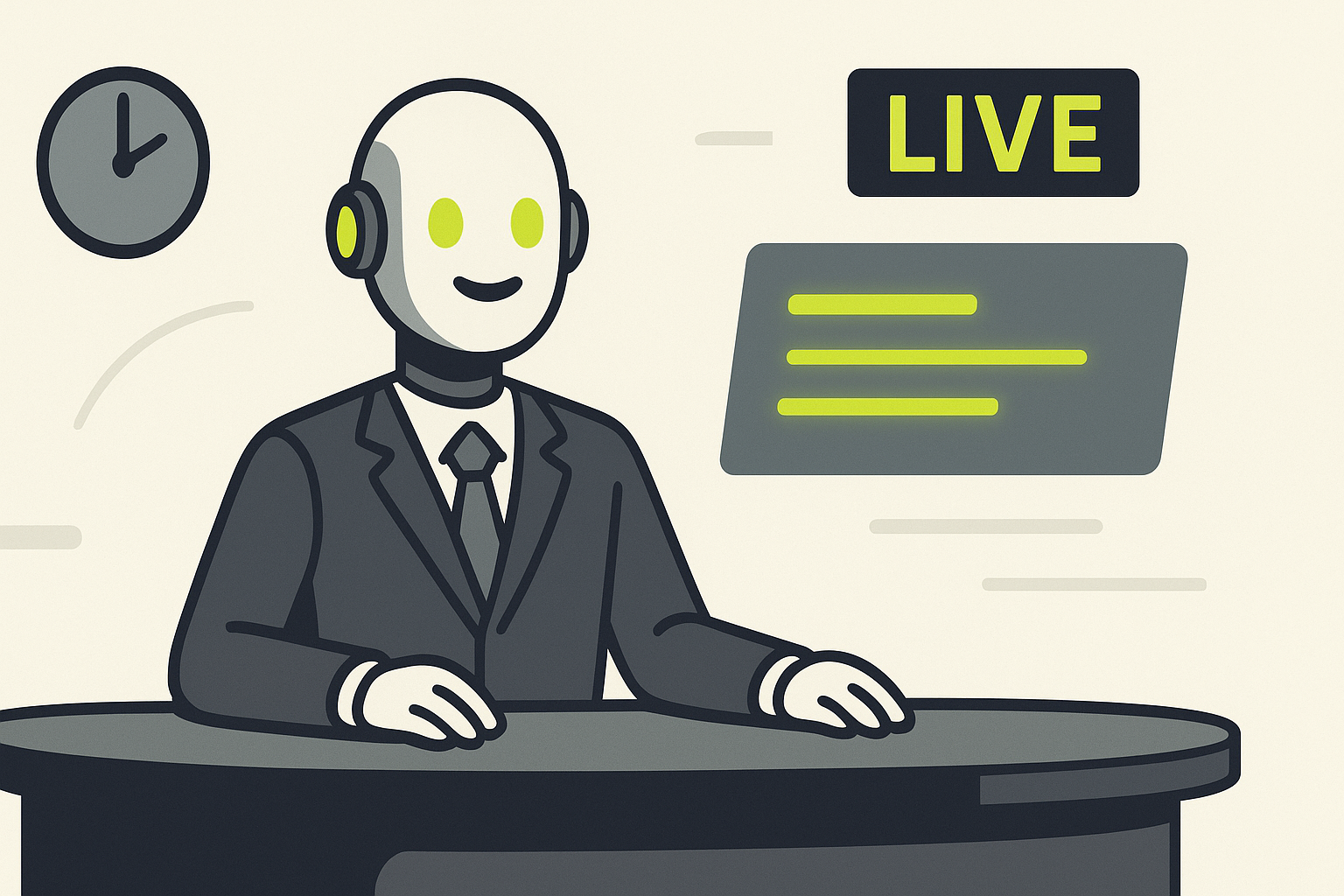
Canadians Are Spotting the Robots Behind the Headlines
New research shows something surprising. A majority of Canadians believe AI is already editing and writing the news. That perception isn’t based on distant predictions. It’s how people think journalism works right now.
They’re not entirely wrong. Many newsrooms are experimenting with AI tools to draft, translate, or analyze content. The line between human and machine contributions is getting blurry.
Not All Topics Are Created Equal
Canadians seem okay with AI covering lifestyle stories. Think sports, celebrity updates, maybe a lipstick launch. But when it comes to politics, crime, or global events, people want humans in charge.
Public comfort levels drop fast when the subject feels serious. That gap could shape editorial decisions and influence how transparent outlets need to be about their AI use.
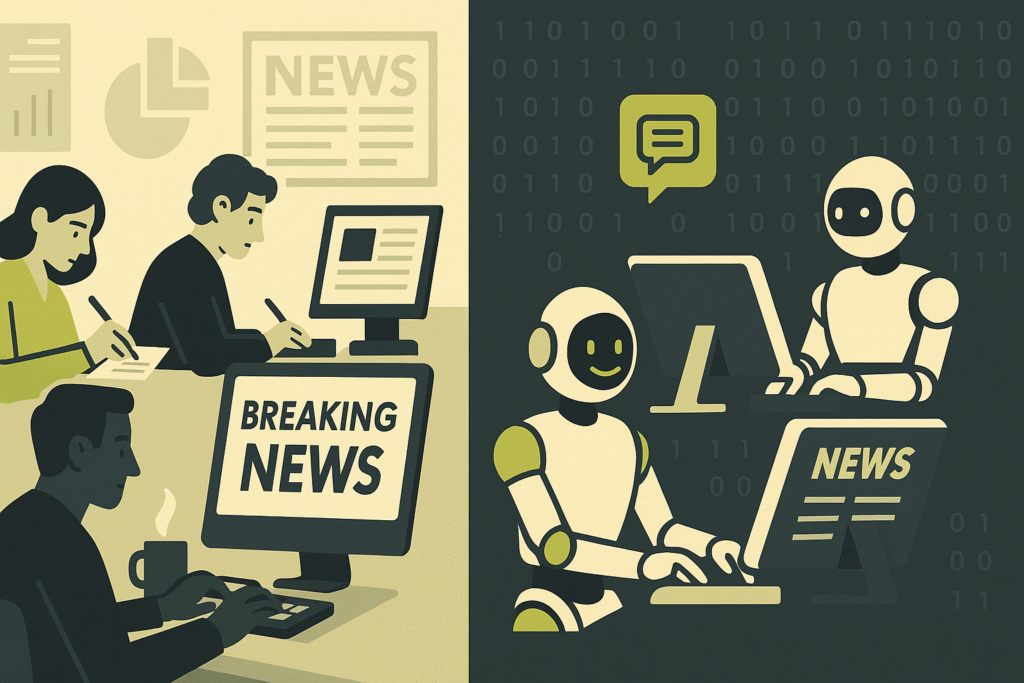
Trust Needs More Than a Disclosure Banner
This isn’t just about content. It’s about trust. If people think AI is in control of what they read, they’ll question the reliability of that information. For newsrooms, that’s a credibility cliff.
AI is powerful at summarizing and generating. But it doesn’t fact-check on its own. It doesn’t carry responsibility. The public seems to sense that.
Newsrooms Will Need to Rethink the Byline
This data is a signal. Readers want to know where their stories come from. That might mean labeling AI-assisted content or limiting its use in high-stakes coverage.
Either way, the conversation is no longer theoretical. AI is here. And Canadians are paying attention.
For the wider picture, see our reference on AI in Canada.