





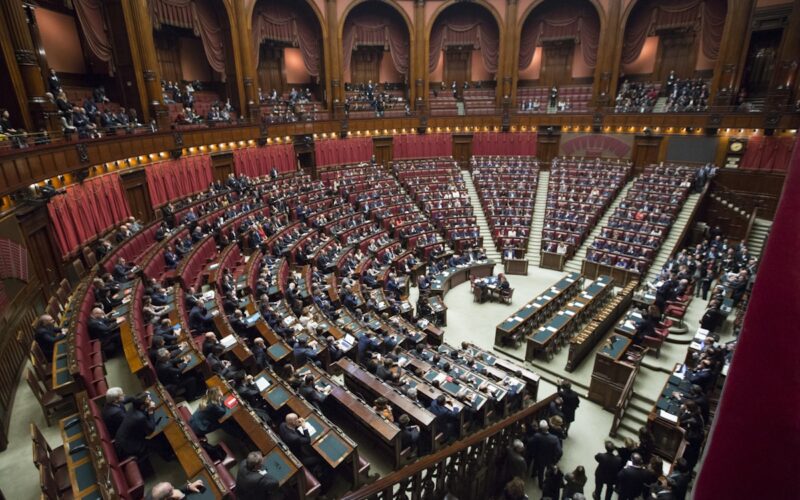
When Parliament’s prorogation gavel came down in January 2025, it didn’t just reset the legislative calendar, it effectively eliminated Canada’s most ambitious attempt at artificial intelligence regulation. The Artificial Intelligence and Data Act, or AIDA, died on the order paper without a formal vote or debate. Now, a year later, Canada remains the only G7 nation without a binding AI regulatory framework.
The disappearance of AIDA left a chasm in Canada’s technology policy landscape. While the bill was far from perfect, it would have positioned Canada as a leader in responsible AI governance. Instead, the country drifts in a regulatory vacuum at a critical moment, when AI capabilities are advancing at unprecedented speed.
What Canada Lost When AIDA Died
The Artificial Intelligence and Data Act represented the most comprehensive approach to AI governance Canada had ever attempted. Had AIDA passed, Canadian organizations developing or deploying AI systems would have faced enforceable obligations to conduct impact assessments, maintain documentation, ensure meaningful human review of high-impact decisions, and provide explanations to individuals affected by automated decisions.
The Technology Sector’s Mixed Reactions
Innovation advocates celebrate the absence of prescriptive regulations they argue could have stifled development. However, privacy advocates and civil rights organizations view AIDA’s failure as a significant setback. Without regulatory guardrails, Canadians remain vulnerable to algorithmic discrimination, data exploitation, and opaque AI decision-making that affects everything from loan approvals to employment opportunities.
The Global AI Regulation Race Leaves Canada Behind
While Canada debated AIDA, the world moved decisively forward. The European Union’s AI Act entered enforcement on January 1, 2026, creating the world’s first comprehensive AI regulation framework. The United States pursued targeted rules through individual agencies, with the FDA, FTC, SEC, and EEOC each extending authority to cover AI in their domains.
The United Kingdom published its AI regulation framework principles. Singapore, Brazil, and Japan advanced their own governance approaches. Canada, once positioned as a thoughtful middle ground between European precaution and American innovation enthusiasm, has ceded regulatory leadership.
The Regulatory Vacuum in Action
Canada’s absence of AI-specific law doesn’t mean AI operates without oversight. Instead, it falls under a patchwork of existing statutes. PIPEDA provides some privacy protection. Consumer protection laws offer additional guardrails. Employment standards and human rights legislation constrain algorithmic hiring decisions.
But this patchwork approach has critical blind spots. Privacy law focuses on data collection, not algorithmic accuracy or fairness. Consumer protection addresses deceptive practices but not opaque decision-making. No single authority has responsibility for AI oversight, meaning problems fall through jurisdictional cracks.
Recent Cases Highlight the Gap
The Privacy Commissioner’s investigation into Twitter’s Grok algorithm exemplified this gap. Investigators examined whether the tool violated privacy rights but lacked authority to assess whether Grok‘s outputs were accurate, fair, or transparent by design. Healthcare providers deploying AI diagnostic tools operate under medical device regulations designed for pharmaceuticals, not algorithms.
Minister Solomon’s Promise and Timeline Uncertainty
Minister Evan Solomon has indicated that the government remains committed to AI regulation, suggesting new legislation is in development. However, no timeline, draft bill, or detailed policy direction has been released. This uncertainty creates challenges for businesses that need clear rules to guide investment and product decisions.
The Innovation vs. Protection Balancing Act
Too prescriptive a framework risks deterring AI investment and pushing talent toward the United States. Too permissive an approach invites harms that damage public trust. Canada’s AI ecosystem, concentrated in Toronto, Montreal, and Vancouver, has produced notable breakthroughs and attracted global venture investment, and stronger regulation could make Canada less attractive for some operations.
Conversely, the absence of clear rules creates a different risk. Harms occurring in the regulatory vacuum could trigger public pressure for draconian restrictions. A single algorithmic discrimination scandal could undo years of careful ecosystem building.
What Canadians and Businesses Should Expect
Until new AI regulation arrives, Canadian organizations deploying AI systems should prepare for eventual regulation by documenting AI systems, testing for bias, establishing human review processes, and preparing impact assessments. These steps align with emerging international norms and likely Canadian requirements.
Organizations serving international markets already face EU AI Act compliance requirements. Meeting those stricter standards creates a regulatory floor that exceeds likely Canadian requirements, making early adoption of higher standards a strategic hedge.
The most likely scenario involves new federal legislation arriving within the next 18 to 24 months addressing high-risk applications in healthcare, criminal justice, and employment. Any successor regulation should learn from AIDA’s strengths while addressing its definitional limitations.
Related Reading
- Canada Allocates $925.6 Million for Sovereign AI Computing Independence
- Tumbler Ridge’s AI Accountability Framework
- What 11,000 Canadians Told Ottawa About the Future of AI Policy