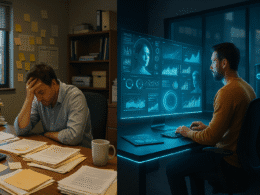


There is a quiet tension in every conversation about artificial intelligence. It is the question most leaders avoid asking out loud. What happens to the human role when technology begins to think alongside us?
AI has become the new co-worker we did not plan for. It writes, analyzes, designs, and even listens. It joins the workflow with a kind of speed that feels both exciting and unsettling. Yet behind the hype and the fear is something deeper happening. AI is changing how we define what it means to be human at work.
The truth is, machines can now perform much of what we once considered “knowledge work.” But what they cannot replicate is empathy, intuition, and creative judgment. Those are the traits that still move teams, close deals, and inspire trust. The companies that understand this will lead the next decade of innovation.

Work That Feels More Human
When digital teammates take on repetitive work, they create space for people to do what only people can do. They allow leaders to think strategically, creators to experiment freely, and teams to connect with customers on a personal level.
This is not about technology replacing people. It is about using it to remove the noise that dulls human potential. The more AI takes care of logistics, the more room there is for vision, mentorship, and imagination.
The irony is that true human-centered work will emerge not in the absence of AI, but because of it.
Where Culture Meets Code
Most organizations underestimate what it takes to introduce AI into a team. They focus on automation but forget integration. They forget that every digital system, no matter how advanced, inherits the values of the humans who deploy it.
Culture must come first.
A workplace built on curiosity, inclusion, and trust will always adapt faster than one built on fear and control. When teams feel safe experimenting with AI, they find better outcomes. They build confidence in how to question, verify, and refine machine suggestions. That is the essence of “human in the loop.”
It is not a technical framework. It is a leadership philosophy.
Leadership in the Age of AI
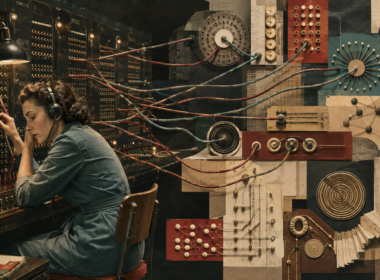
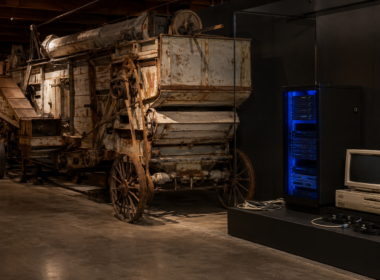
Every major shift in work has demanded new leadership instincts. The industrial era rewarded control. The digital era rewarded speed. The AI era will reward empathy.
Leaders now need to translate between human goals and machine logic. They need to ask better questions, set clearer intent, and teach systems what quality looks like. This is not a technical skill. It is emotional intelligence in a new form.
As AI teammates learn to make recommendations, humans must learn to guide, question, and interpret. That balance between direction and delegation is what keeps technology accountable.
The companies that succeed will not be the ones with the most models. They will be the ones with the most mindful managers.
Redefining the Value of People
There is a moment happening quietly in boardrooms and startups everywhere. People are realizing that their value is no longer measured by how much they can produce, but by how well they can think, connect, and create.
AI is not a replacement for that. It is a mirror. It shows us what parts of our work are mechanical and what parts are meaningful. It forces us to redefine productivity through the lens of purpose, not just performance.
When teams see AI as a trusted collaborator instead of a silent worker, culture shifts. People spend less time defending their jobs and more time using their judgment.
Technology does not define culture. Leadership does.
The Real Future of Work
The next chapter of progress is not about machines outsmarting people. It is about people learning to lead with intelligence that scales.
AI can handle data, speed, and repetition. Humans handle context, creativity, and care. Together, that combination can move industries further than either could alone.
The human element will always be the difference between a process that runs and a purpose that resonates.
Author Bio:
Zak Hussein is the Founder of AIwithZAK.com and CEO of ORKA AI. He writes about applied intelligence, AI agent adoption, and the future of work in Canada and beyond.