





The conversation around national AI control is growing. But provincial AI sovereignty? Nobody’s really asked.
Canada keeps talking about national AI sovereignty. Protecting models, data, infrastructure. Keeping innovation inside our borders.
But here’s the question: in a country built on provincial autonomy, why does no one ask if Alberta should have its own AI sovereignty?
The conditions are already there. The appetite too.
Alberta is already building the hardware
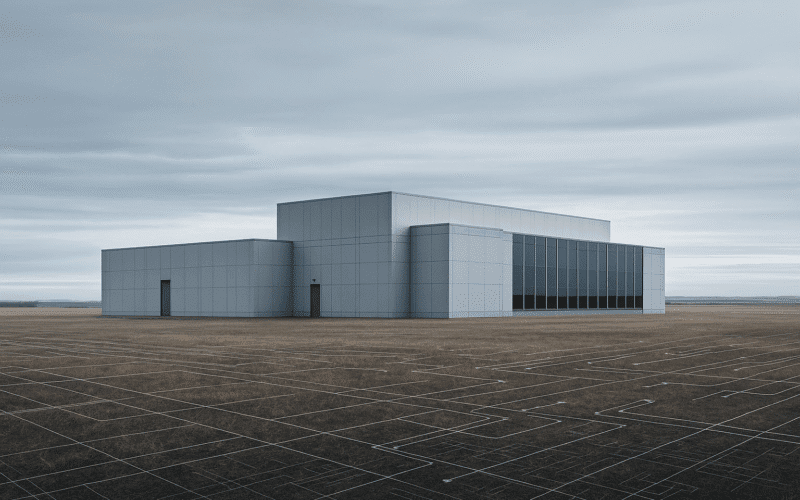
New hyperscale data centres are coming online across Alberta. Calgary and Edmonton are now home to next-gen data infrastructure built for AI workloads, not just traditional storage.
That matters because AI sovereignty isn’t just about rules. It’s about capacity. Who trains the models? Who controls the servers? Who governs the data?
When Alberta builds and owns the compute layer, it puts itself in a different category.
Alberta doesn’t wait for Ottawa
Energy. Health. Education. Time and again, Alberta has pushed to manage its own systems on its own terms.
AI could follow the same path. Not out of protest. Out of precedent.
Here’s what provincial AI sovereignty might look like:
- Alberta-trained large language models using local public data
- Health AI built and governed inside Alberta’s own privacy frameworks
- Agricultural and energy forecasting tools trained in-region
- Provincial procurement rules that favour homegrown AI solutions
It wouldn’t need permission. It would just need political will and industry support.
Why this matters now
Canada is finalizing the Artificial Intelligence and Data Act. It’s federal. It’s national.
But once in place, provinces will still need to figure out how to apply it. How to interpret it. How to enforce it. The policy may be national, but the deployment is local.
And if the infrastructure is already being built in Alberta, the province has leverage.
Use it, or give it up.
Alberta has what other provinces don’t
Most provinces don’t have:
- This level of AI infrastructure development
- An existing culture of local digital governance
- Institutions like Amii with global AI credibility
- A private sector actively building core AI infrastructure
The gap is widening. If Alberta acts now, it could lead.
If it waits, it becomes another node in a centralized system someone else controls.
AI sovereignty doesn’t have to stop at national borders. In Canada, the idea might need to go further.
Alberta has the tools, the infrastructure, and the independence mindset to make it real.
What it doesn’t have yet is a conversation.
Let me know your thoughts and if this is something you can potentially see being executed on.
Until next time,
ZAK | AIwithZAK.com